
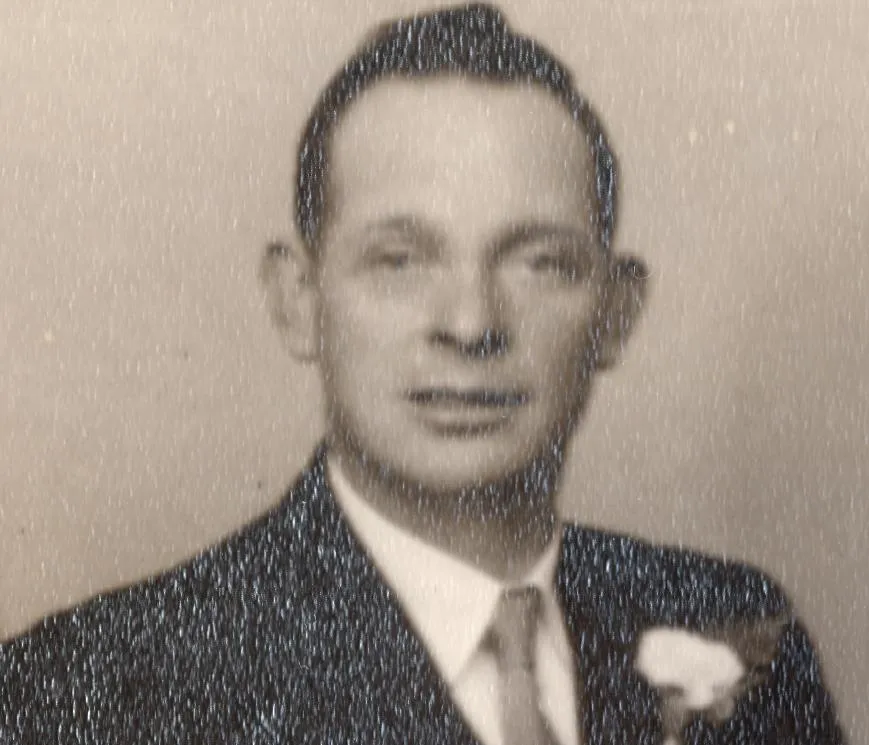
OpenArt character study · 2026

Dan + Vinnydifferently.

Two characters, thirty-five animation languages and thirty-five episode frames. Compare the character designs, then see the styles come alive in their own worlds.

35

Paired Styles

70

Character Sheets

35

Episode Frames

105

Visual Total

2 styles

Compare, inspect or enter the scene.

Switch between paired, Dan-only, Vinny-only and scene views. Every preview stays uncropped, and every original opens at full resolution. Episode frames are available across the approved core and G-panel styles.

The paired style library

2 of 2

How to useEvery character-sheet prompt is optimized for GPT Image 2 in OpenArt and starts from only two inputs: your character reference as @image1 and the blank G-panel template as @image2. Paste the matching prompt, select 16:9, and choose the highest quality setting.

Download Template

Rubber Hose

Reusable G-panel prompt · OpenArt GPT Image 2

Reusable prompt

GOAL
Create a 4K 16:9 G-panel character sheet of the character in Rubber Hose.

REFERENCE
Use @image1 for the character's exact identity and outfit. Preserve the recognizable face, age, body proportions, clothing, accessories, and garment-color relationships.

Use @image2 only as the empty G-panel layout. Keep its three equal vertical panels, divider lines, and warm off-white background.

STYLE
Use a 1930s inkblot-cartoon language: flowing tubular arms and legs, pie-cut eyes, rounded forms, bold black contours, simple flat fills and rhythmic elastic curves.

COMPOSITION
Match @image2 exactly.

LEFT: front clothing and body from the collar downward only. Do not show any head, face, hair, headwear, eyes, nose, mouth, ears, neck, or facial hair.

CENTER: one complete straight rear full-body view from the top of the head or headwear to the feet.

RIGHT: one complete head-and-shoulders three-quarter portrait with a neutral expression and at least 8% clear margin on every side.

Keep every view inside its own panel with no overlap. Keep the character identical across all three panels.

CONSTRAINTS
Exactly three views of the same character. No cropped center head or feet, extra poses, props, scenery, text, labels, logos, added borders, overlaps, duplicate body parts, costume changes, or additional characters. Do not fake the style with sepia or film dirt; transform the anatomy while retaining the subject's identifying face and outfit.

Golden Age

Theatrical squash, painted warmth and confident line.

Reusable prompt

GOAL
Create a 4K 16:9 G-panel character sheet of the character in Golden Age.

REFERENCE
Use @image1 for the character's exact identity and outfit. Preserve the recognizable face, age, body proportions, clothing, accessories, and garment-color relationships.

Use @image2 only as the empty G-panel layout. Keep its three equal vertical panels, divider lines, and warm off-white background.

STYLE
Use polished 1940s–1950s theatrical cel animation: solid constructed anatomy, strong silhouettes, tapered ink contours, squash-and-stretch posing and opaque cel color.

COMPOSITION
Match @image2 exactly.

LEFT: front clothing and body from the collar downward only. Do not show any head, face, hair, headwear, eyes, nose, mouth, ears, neck, or facial hair.

CENTER: one complete straight rear full-body view from the top of the head or headwear to the feet.

RIGHT: one complete head-and-shoulders three-quarter portrait with a neutral expression and at least 8% clear margin on every side.

Keep every view inside its own panel with no overlap. Keep the character identical across all three panels.

CONSTRAINTS
Exactly three views of the same character. No cropped center head or feet, extra poses, props, scenery, text, labels, logos, added borders, overlaps, duplicate body parts, costume changes, or additional characters. Do not use jointless rubber-hose anatomy, limited-TV construction, heavy sepia or fake film damage.

Comments

Log in to leave a comment.